Separate data rate from travel time
Radio and optical communication both use electromagnetic signals. Across space, neither turns a distant spacecraft into a nearby one. Optical links can support higher data rates in suitable systems; that means transferring more bits during a period of contact, not making the signal outrun light.
The distinction matters when a headline calls a space connection “faster.” It might describe the time needed to downlink a file, rather than the delay before the first bit can arrive.
Follow the signal
A transmitter encodes information onto light. Pointing systems keep the narrow beam aimed toward a receiving terminal. The receiver collects the arriving light and recovers the information from the signal. Useful performance depends on that chain, not just on having a laser aboard the spacecraft.
NASA’s overview highlights precise pointing and atmospheric interference as challenges. A narrow beam must reach its intended receiver. A ground station can also face clouds or other conditions that affect the optical path.
Try a timing thought experiment
Suppose two imaginary links can transfer the same file while a spacecraft is equally far away. If one link carries twice as many useful bits per second during an otherwise identical contact, its file-transfer portion can be shorter. The propagation part—the time the signal spends traveling the distance—has not been halved.
For a separate illustrative calculation, a signal crossing 300,000 kilometers at approximately 300,000 kilometers per second has about one second of one-way travel time. That is a rounded physics example, not a statement of a particular mission’s distance or end-to-end response time. Processing, scheduling and retransmissions can add delay.
Same distance. Different time to finish the file.
Imagine a 1,000-megabit file, one second of propagation delay, and two otherwise perfect links. The transmitter needs 10 seconds to put the file onto a 100-megabit-per-second link, or 2 seconds onto a 500-megabit-per-second link.
| What the receiver waits for | 100 Mb/s | 500 Mb/s |
|---|---|---|
| First bit reaches receiver | 1 second | 1 second |
| Whole file reaches receiver | 11 seconds | 3 seconds |
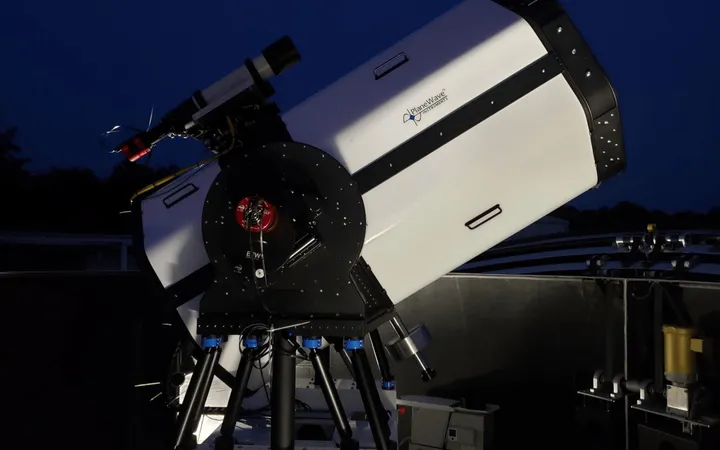
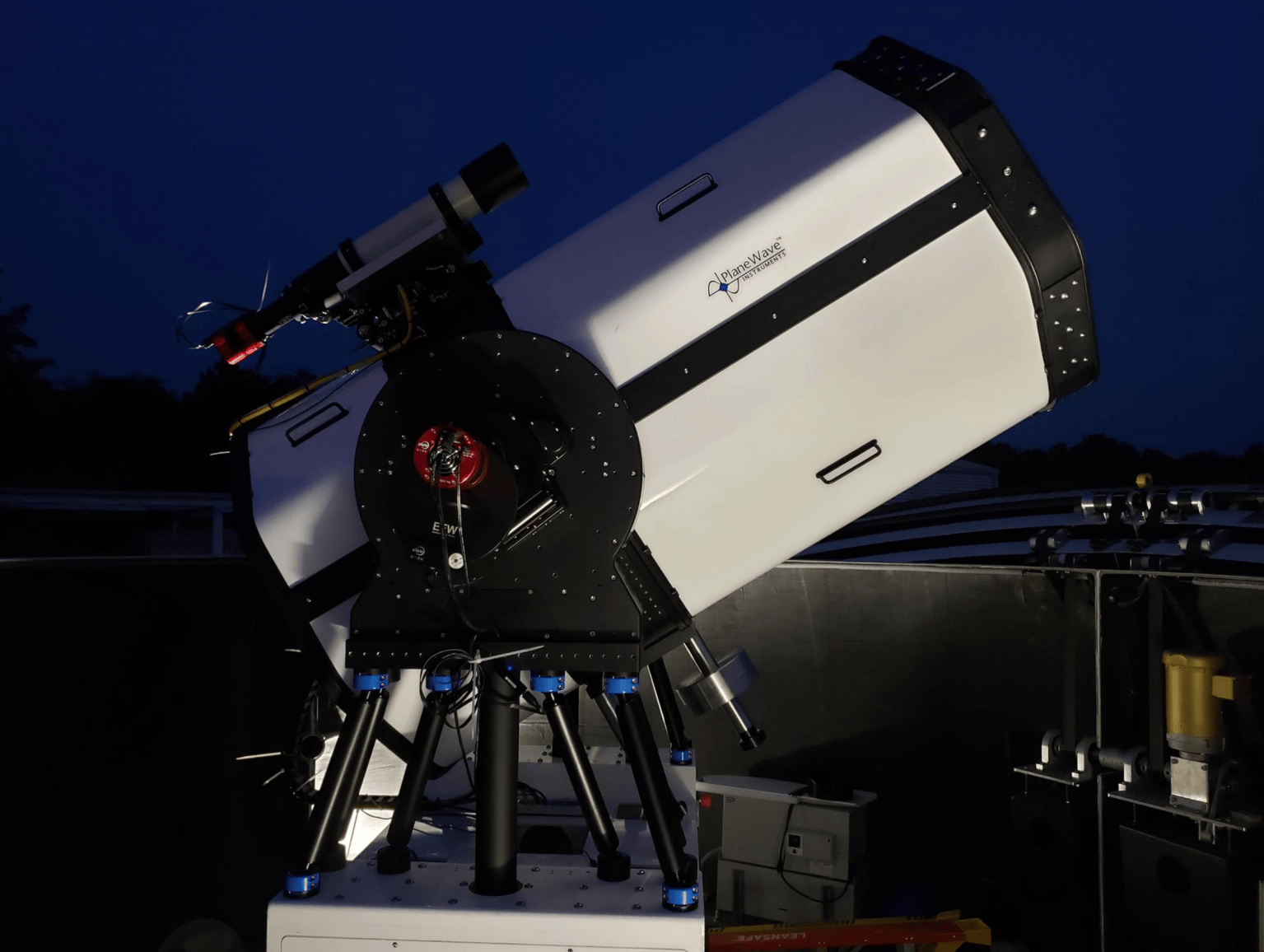
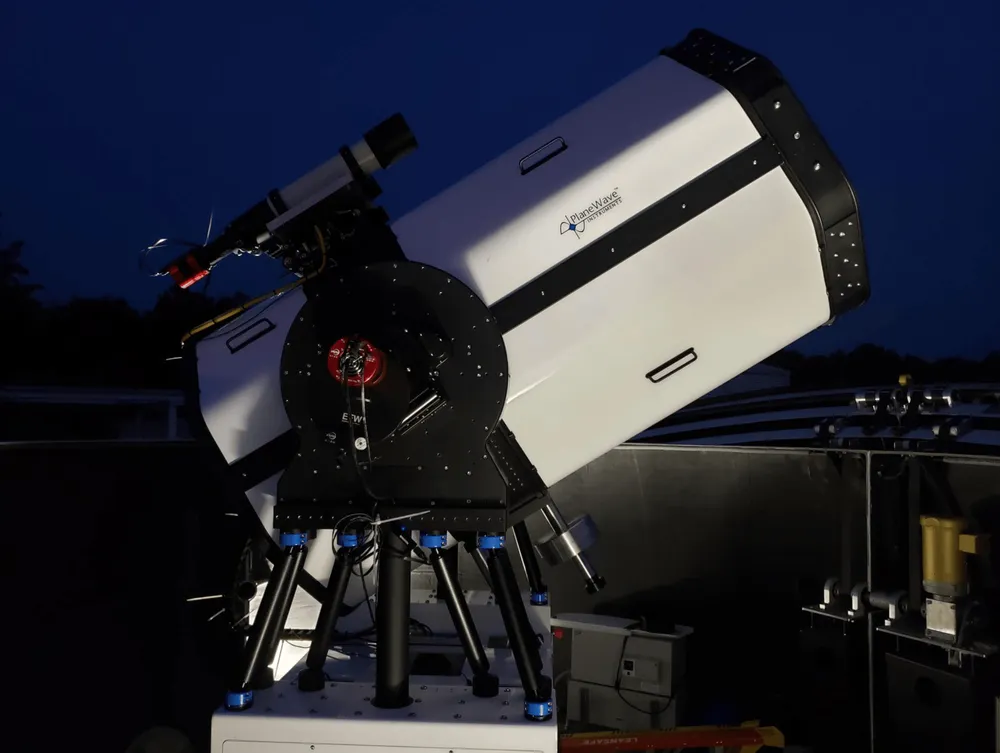
The second link finishes sooner because it spends less time sending the bits. The first bit still travels for a second. These are idealized figures, not specifications for Orion, Starlink or the photographed ground terminal.
Why a contact window matters
A spacecraft cannot always send to every ground terminal whenever it wants. Visibility, pointing geometry, receiver availability and operating constraints shape the usable contact. A high data rate can be valuable because it lets more observations cross the link while those conditions are met.
That is why a meaningful comparison includes both link rate and availability. A peak number does not tell you how many useful science files reached their destination over an entire mission.
Four things that can break a beautiful link budget
- Pointing. A narrow beam helps concentrate the signal, but the receiver has to stay in its path.
- Atmosphere. Cloud on a ground path can interrupt an optical contact; clear weather somewhere else does not clear that station’s sky.
- Visibility. A terminal must have a usable line of sight. A scheduled link and an available link are different things.
- Delivery. Count usable data received, including the effects of coding, interruptions and retransmissions, rather than multiplying a headline peak rate by the whole mission.
Connect the concept to a mission plan
The Orion laser-communications brief describes an announced demonstration. The distinction between selection, integration and verified flight performance remains important. Read a mission’s later evidence for those milestones rather than inferring completion from a planned capability.
Keep the evidence in view.
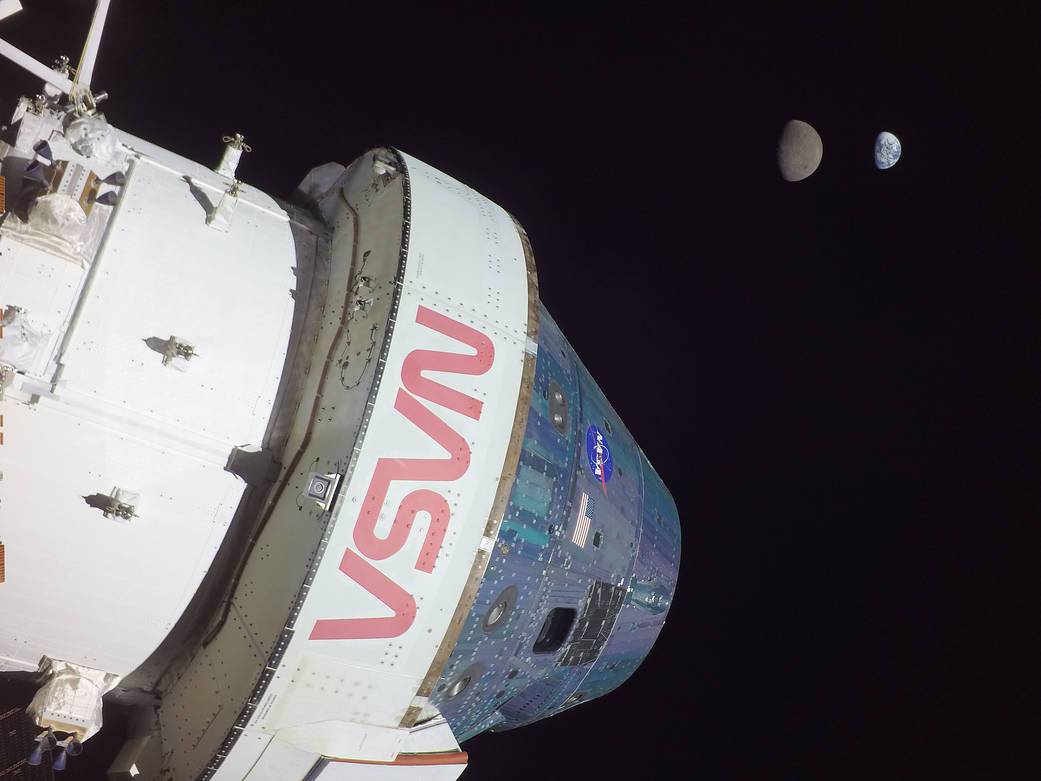
The timing calculation is illustrative. The historical Orion photograph does not show a laser terminal or verify a later mission's communications performance.
Technical sources checked: . Our source check: . This is an AI-assisted editorial explanation, not an independently reproduced experiment.
Sources & further reading
- NASA, October 2024; ground-terminal photograph and test contextNASA Terminal Transmits First Laser Communications Uplink to Space
- NASAOptical Communications
- NASALaser Communications
- NASAState-of-the-Art Small Spacecraft Technology: Communications
- NASA, historical image article, November 2022Orion, Earth, and the Moon