The plan
NASA announced in July that it selected SpaceX to provide laser-communications capabilities for Orion on Artemis III. The source describes two Starlink mini laser terminals supplementing the spacecraft’s existing communications system, with imagery and video among the intended downlink uses.
Optical communications carry information using light. NASA frames this work as a demonstration within its broader development of commercial relay services for near-Earth missions.
Read the photograph correctly
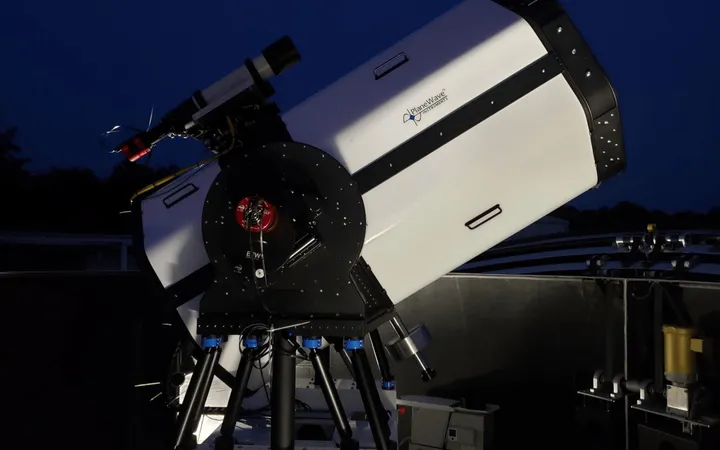
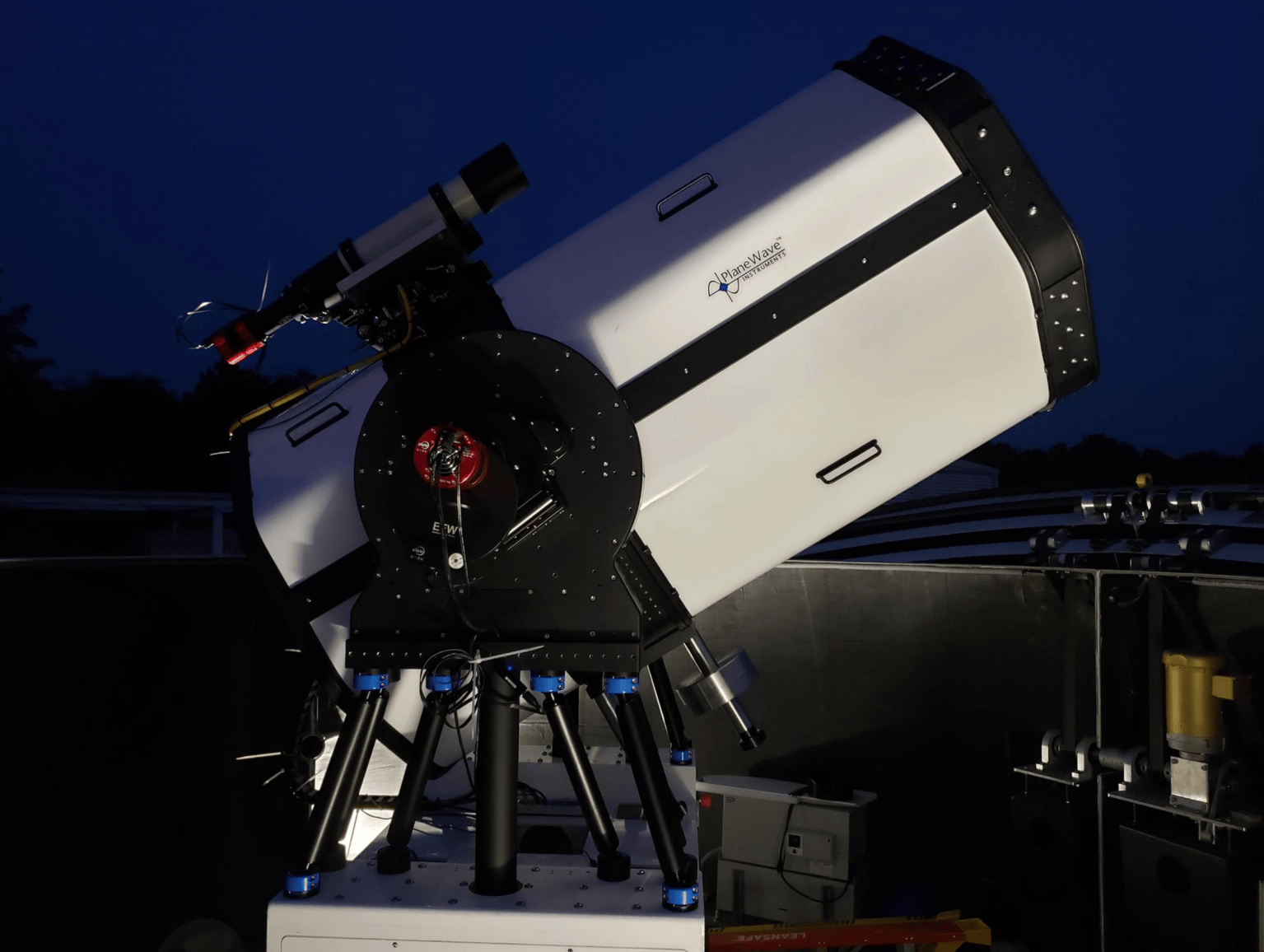
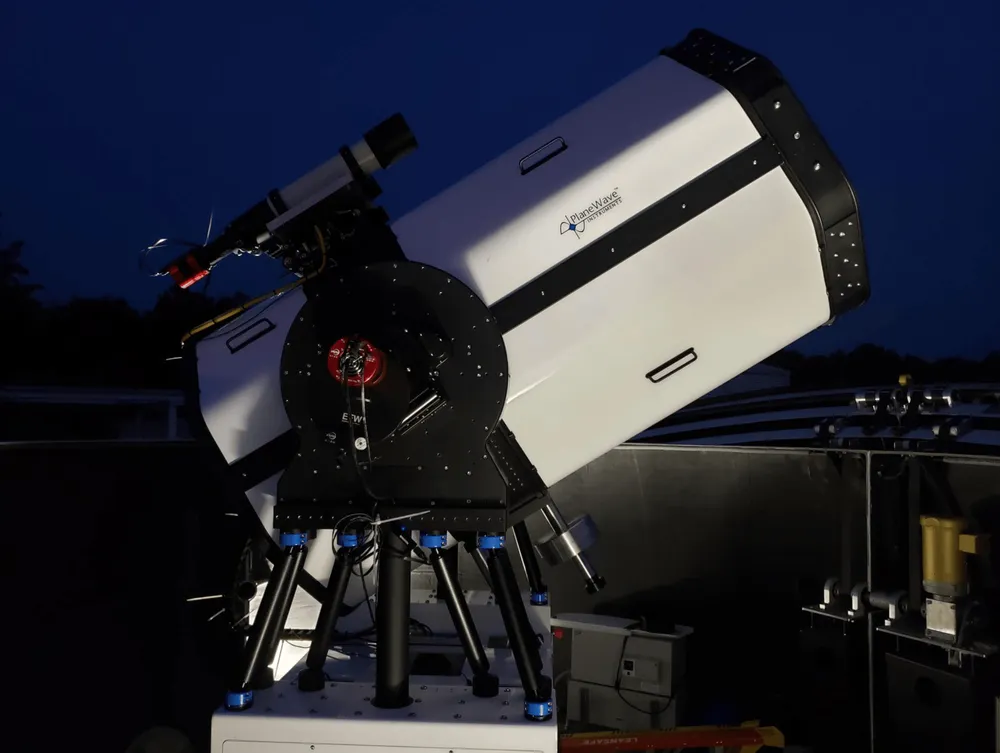
The telescope shown here is NASA’s Low-Cost Optical Terminal at Goddard, from a separate ground-to-space demonstration reported in 2024. It makes the ground end of an optical link visible. It is not a photograph of the two terminals selected for Orion.
Why the link deserves attention
Space hardware is often discussed as a destination story: how far a vehicle can travel. Our reading is that the information path is just as important. Observations become useful when they can reach the people and systems that need them.
For a reader following the demonstration, three questions are more useful than an isolated speed claim: when is the connection available, what data reaches its destination, and what happens when the optical path is unavailable? A high-rate link can shorten a file transfer while leaving the signal’s travel-time limit unchanged.
What comes after the announcement
Integration, link availability and operational performance are separate milestones. A selected technology is not the same as a demonstrated flight service. Follow mission updates for those milestones, and treat dates in the original announcement as plans rather than completed events.
Understand the idea underneath
Read our illustrated explainer on why optical data rate and signal travel time are different. It connects this research story to the underlying mechanism, examples and questions to ask next.
Keep the evidence in view.
This is an announced communications demonstration. Mission plans and integration status can change; this brief does not verify a completed Artemis III flight.
Source announcement: . Our source check: . This is an AI-assisted editorial briefing, not an independently reproduced experiment.